
Home
The Ultimate AC Buying Guide
This content would be a comprehensive resource to help customers make an informed decision.
- Introduction: Start with a brief overview of the importance of choosing the right AC for a home’s specific needs.
- Key Factors to Consider:
- Sizing (BTUs): Explain what BTUs are and why they matter. Provide a simple chart or calculator that allows users to input their room size (square footage) to get a recommended BTU range.
- Types of ACs: Create a clear, comparative breakdown of different types of air conditioners (e.g., central, mini-split, window, portable). Use a table to compare them based on factors like cost, installation, and ideal use case.
- Energy Efficiency (SEER Rating): Explain what the SEER rating is and why a higher number is better. Emphasize how an energy-efficient unit can save them money in the long run.
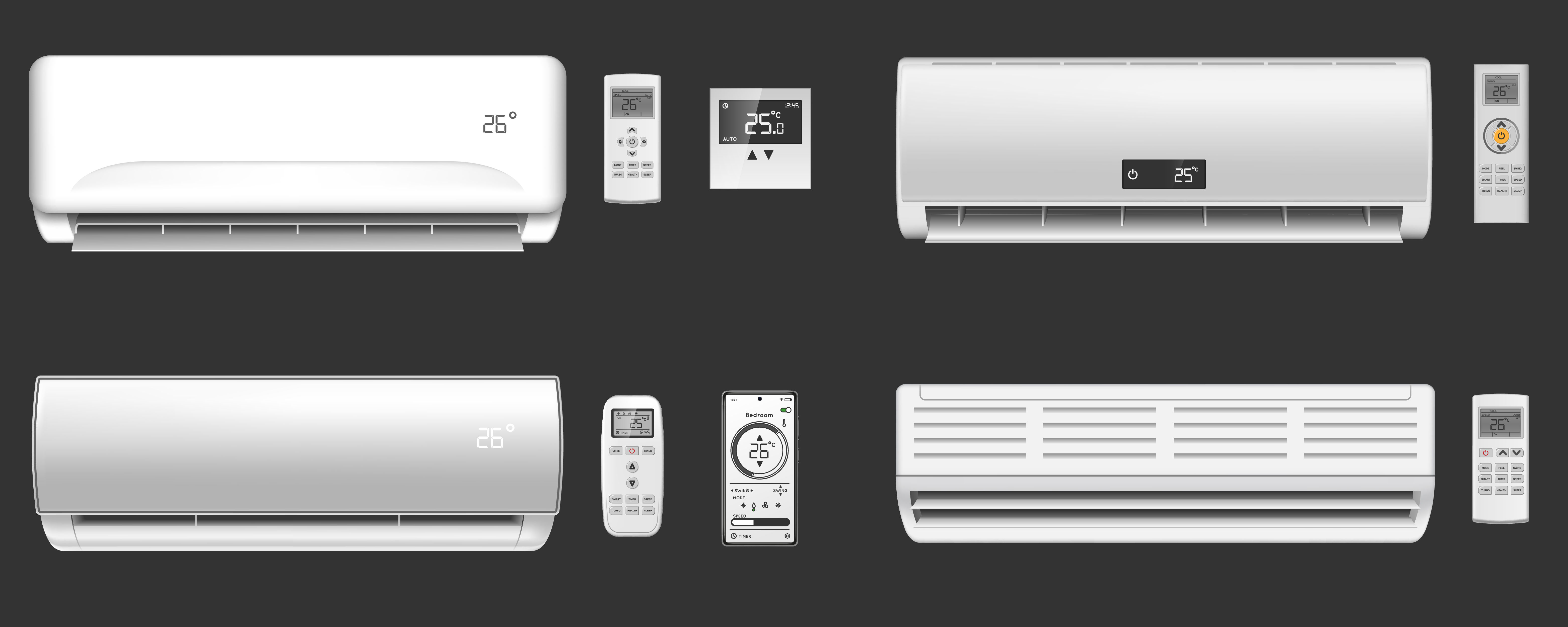
- Smart Features: Discuss modern features like Wi-Fi connectivity, programmable thermostats, and remote controls.
- Putting It All Together: Conclude with a checklist or a step-by-step guide to help the customer navigate their options.

5 Simple Ways to Boost Your AC's Efficiency (And Lower Your Bill)
This content is a great way to provide value to both new and existing customers. It positions your company as a helpful resource, not just a seller.
- Introduction: Acknowledge the high cost of energy and promise to provide actionable tips for savings.
- The Tips:
- Regular Filter Changes: Explain why this is the single most important maintenance task. Show a before-and-after photo of a dirty and clean filter.
Window vs. Split Air Conditioners: Choosing the Right AC for Your Space
When it comes to cooling your home, the choice between a window and a split air conditioner is a key decision. Both systems are highly effective, but they serve different needs and offer distinct advantages.
Window Air Conditioners:
Window ACs are a classic, self-contained solution for cooling a single room. They are installed directly in a window opening, with all components—compressor, condenser, and evaporator—housed in a single unit.
- Pros: They are typically more affordable, easier to install and remove, and ideal for cooling smaller spaces like bedrooms, apartments, or offices. Their compact design makes them a popular choice for renters and those who need a simple, straightforward cooling solution.
- Cons: They can be noisier than split systems and may obstruct the view from your window.
.
Split Air Conditioners:
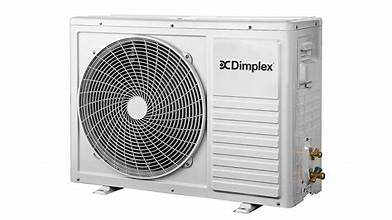
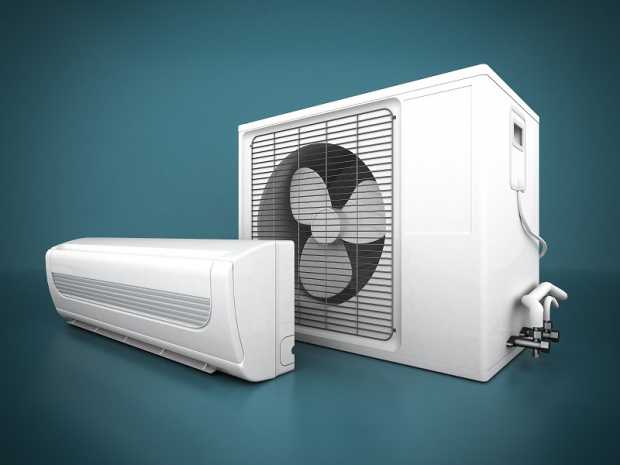
Split ACs, or mini-splits, are a more modern and versatile option. They consist of two main parts: an outdoor unit that houses the compressor and condenser, and an indoor unit (or multiple units) that delivers the cool air. The two units are connected by a small refrigerant line.
- Pros: They are significantly quieter, as the noisiest components are located outside. They offer greater aesthetic flexibility, with the indoor unit mounted discreetly on a wall. Split systems are also highly energy-efficient and can cool larger, multi-room areas.
- Cons: The initial cost is higher, and professional installation is required, which adds to the overall expense.
Making Your Choice:
- Choose a Window AC if: You need a budget-friendly solution for a single room, value easy installation, and have a suitable window available.
- Choose a Split AC if: You prioritize quiet operation, need to cool a larger or multi-room space, are looking for a more permanent and energy-efficient system, and want a sleeker, less intrusive design.